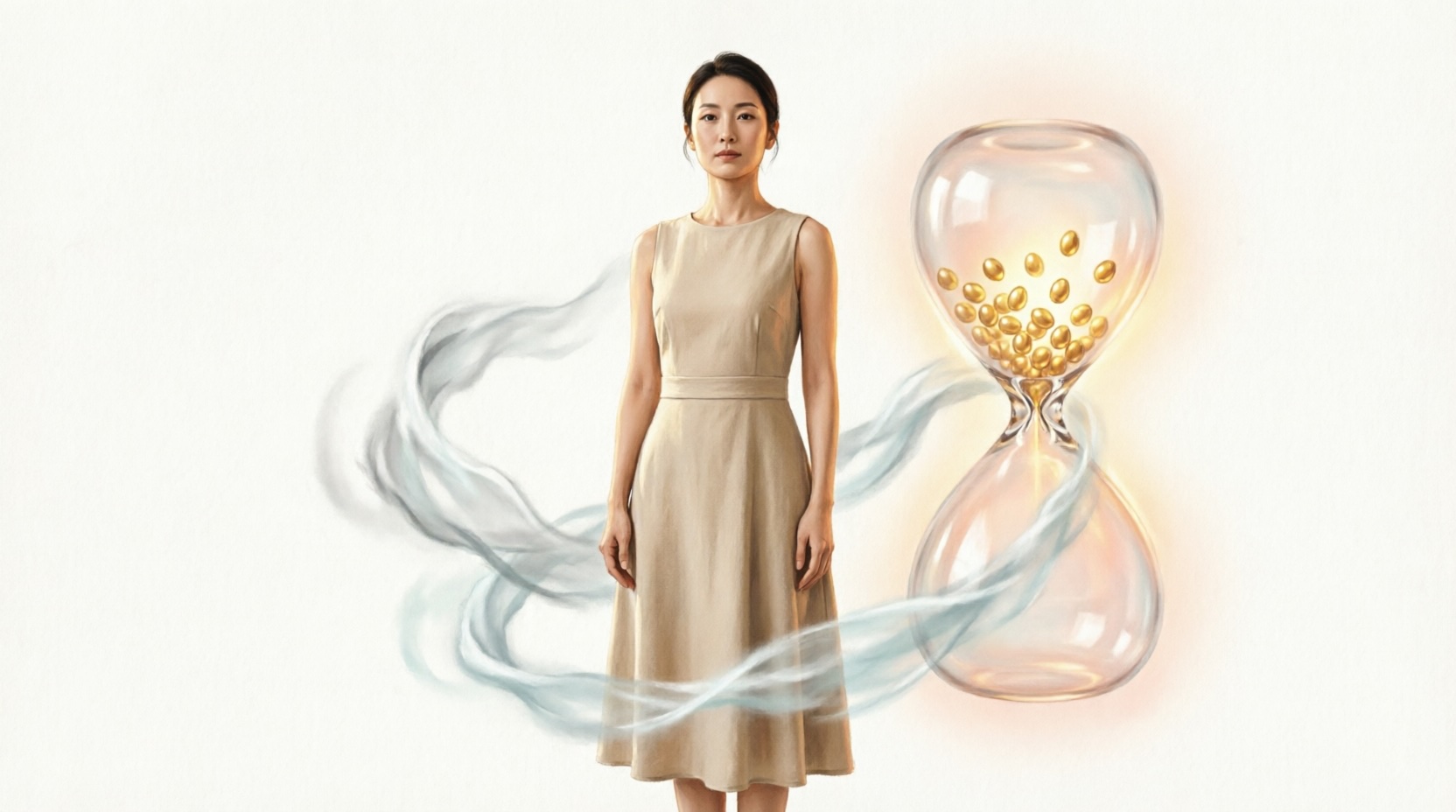
One of the most persistent and emotionally charged myths surrounding in vitro fertilization (IVF) is the belief that the procedure “uses up” a woman’s eggs faster, leading to early menopause. This misconception has deterred many women from pursuing fertility treatments they deeply need — often causing unnecessary anxiety and delay at a time when every month counts.
The truth? IVF does not cause early menopause. In fact, the science tells a very different story — one that should reassure, not frighten, women considering fertility treatment.
Let’s debunk this myth once and for all.
Understanding Your Ovarian Reserve
To understand why IVF doesn’t deplete your egg supply, you first need to understand how your ovaries naturally work.
The Natural Recruitment Process
From the moment you’re born, your ovaries hold a finite number of eggs — roughly 1 to 2 million at birth. By puberty, that number has already dropped to approximately 300,000 to 500,000.
Here’s the critical part most people don’t know:
Every single month, your body recruits a *cohort* of eggs — typically 15 to 20 — and all but one are naturally reabsorbed by the body.
One follicle is selected as the “dominant” follicle and ovulates. The rest undergo a natural process called atresia — meaning they die off regardless of whether you’re trying to conceive, undergoing IVF, or even taking birth control.
This is happening continuously, all the time, with or without medical intervention. Your ovarian reserve declines naturally with age — not because of treatment.
The Eggs You Lose Each Month
Natural cycle
- Cycle Type: Natural cycle
- Eggs Recruited: 15–20
- Eggs Lost to Atresia: 14–19
- Egg Ovulated: 1
IVF cycle
- Cycle Type: IVF cycle
- Eggs Recruited: 15–20 (with stimulation)
- Eggs Lost to Atresia: 0 (all are retrieved)
- Egg Ovulated: 15–20 retrieved
The key takeaway: IVF essentially rescues the eggs your body was already going to lose that month.
How IVF Stimulation Actually Works
During an IVF cycle, patients receive injectable gonadotropins (FSH and LH medications) for approximately 8–14 days. These hormones stimulate the ovaries to mature multiple follicles in a single cycle rather than just the single dominant follicle your body would normally select.
What IVF Does NOT Do:
- ❌ It does NOT create new eggs
- ❌ It does NOT pull eggs from future months’ reserves
- ❌ It does NOT accelerate the natural depletion of your ovarian reserve
- ❌ It does NOT “steal” eggs you would otherwise have later
What IVF DOES Do:
- ✅ It rescues follicles that were already recruited and destined to die
- ✅ It maximizes the use of eggs your body has already “set aside” for that cycle
- ✅ It allows retrieval of multiple mature eggs in a single treatment cycle
- ✅ It gives fertility specialists the best chance of creating viable embryos
Think of it this way: Every month, your body orders 20 eggs to a restaurant, eats one, and throws away the other 19. IVF simply says, “Let’s save all 20 plates instead of wasting 19.” You didn’t order extra food — you just stopped throwing it away.
What Does the Science Say?
Multiple large-scale studies have investigated whether IVF affects the timing of menopause. The evidence is clear:
Key Research Findings
- A landmark 2022 study published in *Human Reproduction* followed women who underwent IVF and found no significant difference in the age of menopause onset compared to women who did not undergo fertility treatment.
- The FERTILITY Study (2018) tracked thousands of IVF patients longitudinally and confirmed that ovarian stimulation did not lead to earlier menopause.
- A meta-analysis in *Fertility and Sterility* reviewed over 10,000 cycles and found no clinically meaningful acceleration in ovarian aging among IVF patients, even those who underwent multiple cycles.
- Anti-Müllerian Hormone (AMH) levels — a key marker of ovarian reserve — have been shown to return to baseline within 2–3 months after an IVF cycle, with no cumulative depletion over multiple cycles.
The Bottom Line from Research
There is no credible scientific evidence that IVF causes early menopause or accelerates ovarian aging.
Why Does This Myth Persist?
Despite the science, this myth continues to circulate. Here’s why:
1. The Language Sounds Scary
Terms like “ovarian stimulation,” “egg retrieval,” and “hormone injections” can sound aggressive and intimidating. Without context, it’s easy to assume the process is draining something from your body.
2. Temporal Coincidence
Many women undergo IVF in their late 30s or early 40s — the same age range when perimenopause naturally begins. If menopause follows an IVF cycle, people connect the two events, even though one did not cause the other.
3. Temporary Post-Cycle Symptoms
Some women experience temporary hormonal fluctuations after IVF that can mimic menopausal symptoms — hot flashes, mood changes, irregular periods. These symptoms are short-lived and related to the hormonal medications, not to actual ovarian depletion.
4. Misinformation Online
Social media and fertility forums are rife with anecdotal claims presented as fact. A single personal story of post-IVF early menopause (which can and does occur naturally in some women) can spread far faster than peer-reviewed research.
Factors That DO Affect Ovarian Reserve
While IVF isn’t one of them, these factors genuinely influence egg quantity and quality:
- Age — The single most significant factor. Egg quality and quantity naturally decline, especially after 35.
- Genetics — Family history plays a role in when menopause occurs.
- Smoking — Shown to accelerate egg loss by up to 40%.
- Chemotherapy/Radiation — Can significantly damage ovarian tissue.
- Autoimmune conditions — Some autoimmune disorders affect ovarian function.
- Endometriosis — Particularly in severe cases, can impact ovarian reserve.
- Ovarian surgery — Certain procedures can reduce egg supply.
- Environmental toxins — Pesticides, BPA, and other endocrine disruptors may play a role.
Understanding these real risk factors is far more empowering than fearing a treatment that serves as a lifeline for millions.
The Emotional Weight of This Myth
This isn’t just an intellectual debate — the fear of early menopause caused by IVF has real human consequences:
- Women delaying treatment they may urgently need, hoping to “save” eggs for later
- Patients experiencing crippling guilt during necessary IVF cycles
- Couples making treatment decisions based on fear rather than medical evidence
- Women feeling they’re “losing time” regardless of what they choose
Fertility specialists consistently report that this myth is among the most common concerns patients raise — and among the most important to address.
What You Should Discuss with Your Doctor
If you’re considering IVF, here are evidence-based questions to bring to your consultation:
- What is my current AMH level and antral follicle count (AFC)?
- Based on my age and ovarian reserve, what stimulation protocol do you recommend?
- If multiple cycles are needed, is there any risk to my long-term ovarian function?
- Are there lifestyle changes I can make to optimize my egg quality?
- Should I consider fertility preservation (egg freezing) for future cycles?
Your fertility specialist can provide personalized data — not myths — to guide your decisions.
Conclusion
The belief that IVF causes early menopause is a myth unsupported by science. IVF works within your body’s natural cycle, rescuing eggs that would otherwise be lost to the body’s own processes. It does not accelerate ovarian aging or shorten your reproductive window.
The real threat to fertility isn’t treatment — it’s delay driven by misinformation. If you’ve been hesitating because of this concern, talk to your reproductive endocrinologist. The best time to make a decision about your fertility is with accurate information, not fear.
Disclaimer: This article is for informational purposes. As a webmaster, I curate data; I am not your doctor. Always consult your Reproductive Endocrinologist.
Leave a Reply